

As one of the largest and most recognizable cryptocurrency platforms globally, Coinbase has brought millions of users into the world of digital assets. But have you ever wondered how the company itself earns money? While it offers a free-to-sign-up model, Coinbase employs a multi-layered business strategy to generate revenue.
Understanding these revenue streams not only sheds light on the company’s operations but also helps you, as a user, see the value exchange for using a secure and regulated platform.
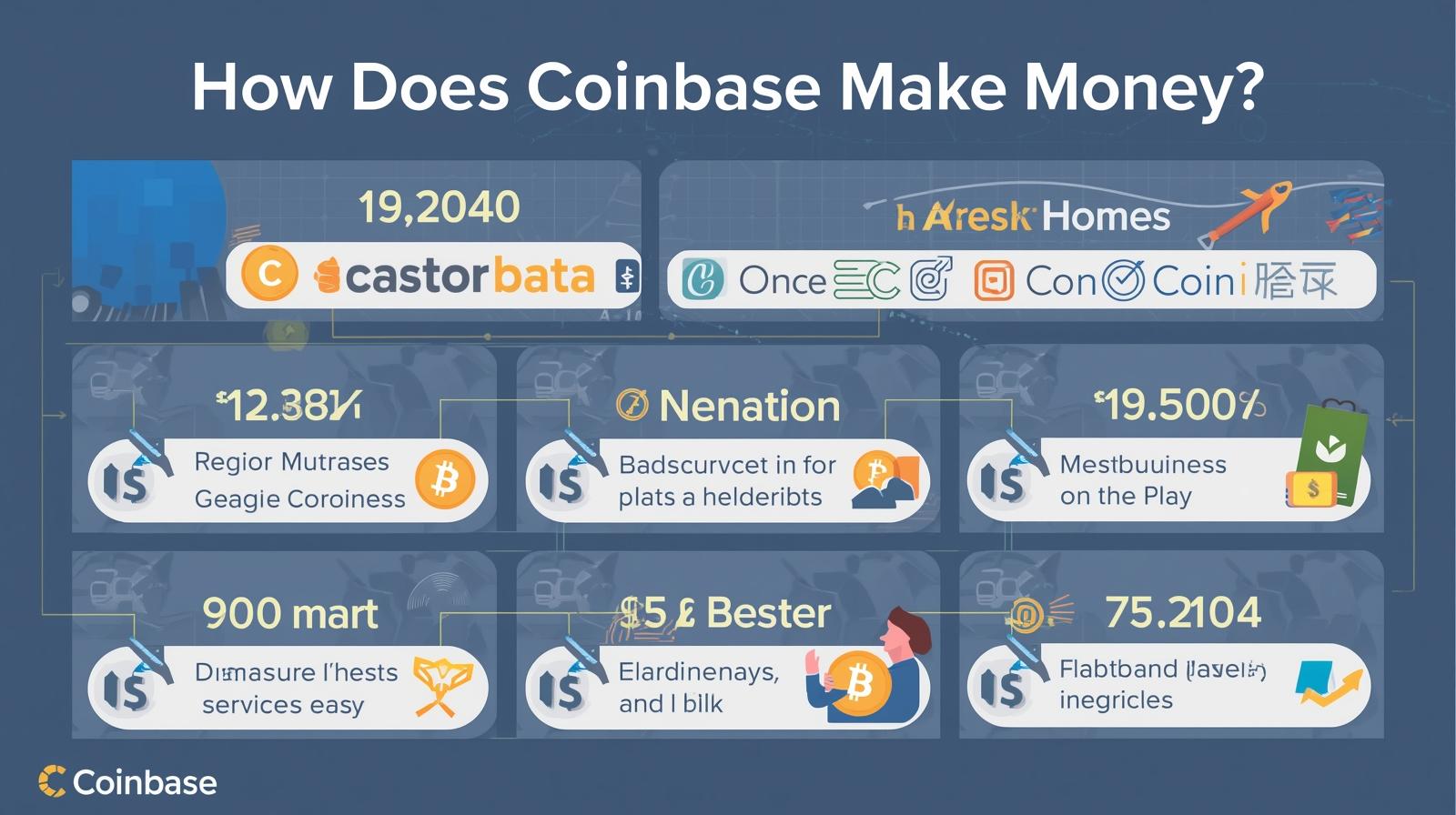
1. Transaction Fees: The Primary Engine
The most significant portion of Coinbase’s revenue comes from fees charged when customers buy, sell, or convert cryptocurrencies.
Spread-Based Fees When you make a simple “trade” on the main Coinbase platform, a fee is included in the price you see. This is often a percentage of the transaction amount. The rate isn’t flat; it varies based on the transaction size, payment method, and market conditions.
Coinbase Advanced Trade Fees For more experienced traders, Coinbase Advanced Trade offers a different fee structure. Here, fees are based on a “maker-taker” model and your 30-day trading volume. This model is typically lower than the standard spread-based fee and is designed to attract high-volume traders.
2. Subscription and Services: A Growing Segment
Coinbase has steadily built a suite of services that provide steady, recurring revenue.
Coinbase One this is a monthly subscription that offers benefits like zero trading fees on certain transactions, boosted staking rewards, and prioritized customer support.
Staking Services When users stake assets like Ethereum (ETH), Cardano (ADA), or Solana (SOL) through Coinbase, the platform helps validate the network and earn rewards. Coinbase then distributes a portion of these rewards to the user and keeps a share as a service fee.
Earn Programs Coinbase partners with new crypto projects to distribute assets to users who learn about them. The company is compensated by these projects for providing educational content and user engagement.
3. The Coinbase Ecosystem: Beyond the Main App
The company leverages its infrastructure to create additional revenue streams.
Coinbase Commerce This service allows online businesses to accept cryptocurrency payments. Coinbase likely charges a small fee for processing and settling these payments, competing with services like BitPay.
USDC Rewards USD Coin (USDC) is a stablecoin that Coinbase helped create. The company earns interest on the reserves backing the stablecoin. It shares this interest with users who hold USDC, but it also retains a portion for itself.
Visualizing the Revenue Model
While we cannot create a chart, imagine Coinbase’s revenue as a pie chart with these slices:
The Largest Slice (approx. 50-70%): Transaction Fees from retail and advanced trading.
A Growing Slice (approx. 15-30%): Subscription and Service Revenue from staking, subscriptions, and earn campaigns.
The Remaining Slices (approx. 10-20%): Other Services including institutional services, USDC interest, and commerce.
Conclusion: A Diversified Financial Hub
Coinbase is far more than a simple buying and selling app. It has matured into a diversified financial ecosystem. While transaction fees from its massive user base remain the core of its business, the company strategically grows its revenue through subscriptions, staking, and institutional services. This multi-pronged approach helps Coinbase build a more resilient business model that can adapt to the volatile crypto market cycles.
Disclaimer This blog post is for informational purposes only and is not financial or investment advice. The revenue streams and their proportions are subject to change based on Coinbase’s quarterly reports and business strategy.